The First-Time Buyer's Guide to Florida Tax Deed Auctions: Building Wealth Through Vacant Land
 Al de Palma
Key Takeaways
- Florida tax deed auctions allow first-time buyers to acquire property at 30–60% below market value, with no bank financing required and no competition from institutional buyers who focus on commercial deals.
- Vacant land acquired at tax deed sales faces far less auction competition than houses, producing better acquisition prices — most bidders target residential structures, leaving raw parcels systematically underpriced.
- Property taxes on vacant rural land parcels in Florida are typically $100–$300 per year, allowing investors to hold through market cycles without cash drain while waiting for optimal appreciation.
- Florida added over 365,000 residents in 2024 and is on track to add 4.5 million by 2030, creating structural demand across all interstate corridors — particularly I-4, I-75, and I-95.
- Setting your maximum bid at 50–70% of market value before bidding, then never exceeding it, is the single discipline that separates profitable tax deed investors from those who overpay in competitive auction moments.
Why Florida Tax Deed Auctions Are Perfect for First-Time Investors
Starting your real estate investment journey can feel overwhelming. High property prices, competitive markets, and complex financing requirements often push new investors to the sidelines. But there's an alternative path that's more accessible, less risky, and potentially more profitable: Florida tax deed auctions.
Tax deed investing allows you to acquire real estate—often at 30-60% below market value—through county-administered auctions. Unlike traditional real estate transactions, there's no bank financing to secure, no lengthy negotiations, and no bidding wars with well-capitalized institutional buyers. Just you, your research, and an opportunity to build wealth through one of America's most tax-friendly states.
The key difference that makes tax deeds ideal for beginners? You're buying land—not buildings. Vacant land eliminates the headaches of tenants, termites, and toilets that plague traditional real estate investing. With minimal holding costs and multiple exit strategies, land acquired through tax deed sales offers first-time investors a forgiving entry point into real estate wealth building.
Tax Deeds vs Tax Liens: Understanding the Critical Difference
Before diving into auctions, you must understand the fundamental distinction between tax deeds and tax liens. These two investment vehicles are often confused, but they operate very differently—and choosing the wrong one can derail your investment strategy.
What Are Tax Liens?
When you purchase a tax lien, you're buying the debt owed on a property, not the property itself. You pay the delinquent taxes to the county and receive a certificate that earns interest—typically 12-18% annually—until the owner redeems the property by paying what they owe plus penalties.
The fundamental limitation: you don't own anything tangible. You're a secured creditor hoping for interest payments. If the owner never redeems, foreclosure is possible, but it requires legal action, takes years, and offers no guarantee of eventually owning the property. For first-time investors, tax liens offer limited control and uncertain outcomes.
What Are Tax Deeds?
Tax deed investing is fundamentally different—and far more suitable for beginners seeking tangible assets. When you win a tax deed auction, you receive actual ownership of the property. Depending on the county, you may take immediate possession or wait through a brief redemption period, but the outcome is clear: you own real estate.
This ownership gives you control. You can sell the land, develop it, lease it, or hold it for appreciation. There are no redemption uncertainties, no multi-year foreclosure processes, and no dependence on the previous owner's decisions. For first-time investors, this clarity and control is invaluable.
Florida's Hybrid System
Florida operates a unique hybrid system. Counties conduct tax deed sales, but property owners have a redemption period—typically until the auction begins—to pay their taxes and stop the sale. Once the gavel falls, however, the winning bidder receives a tax deed that conveys ownership.
This system offers the best of both worlds: the direct ownership benefits of tax deeds with some built-in protections for property owners. For investors, it means cleaner titles and fewer legal complications than states with longer post-sale redemption periods.
The Vacant Land Advantage: Why Raw Land Beats Buildings for Beginners
While tax deed auctions include houses, commercial buildings, and raw land, vacant land offers distinct advantages for first-time investors that are impossible to ignore:
Less Competition, Better Prices
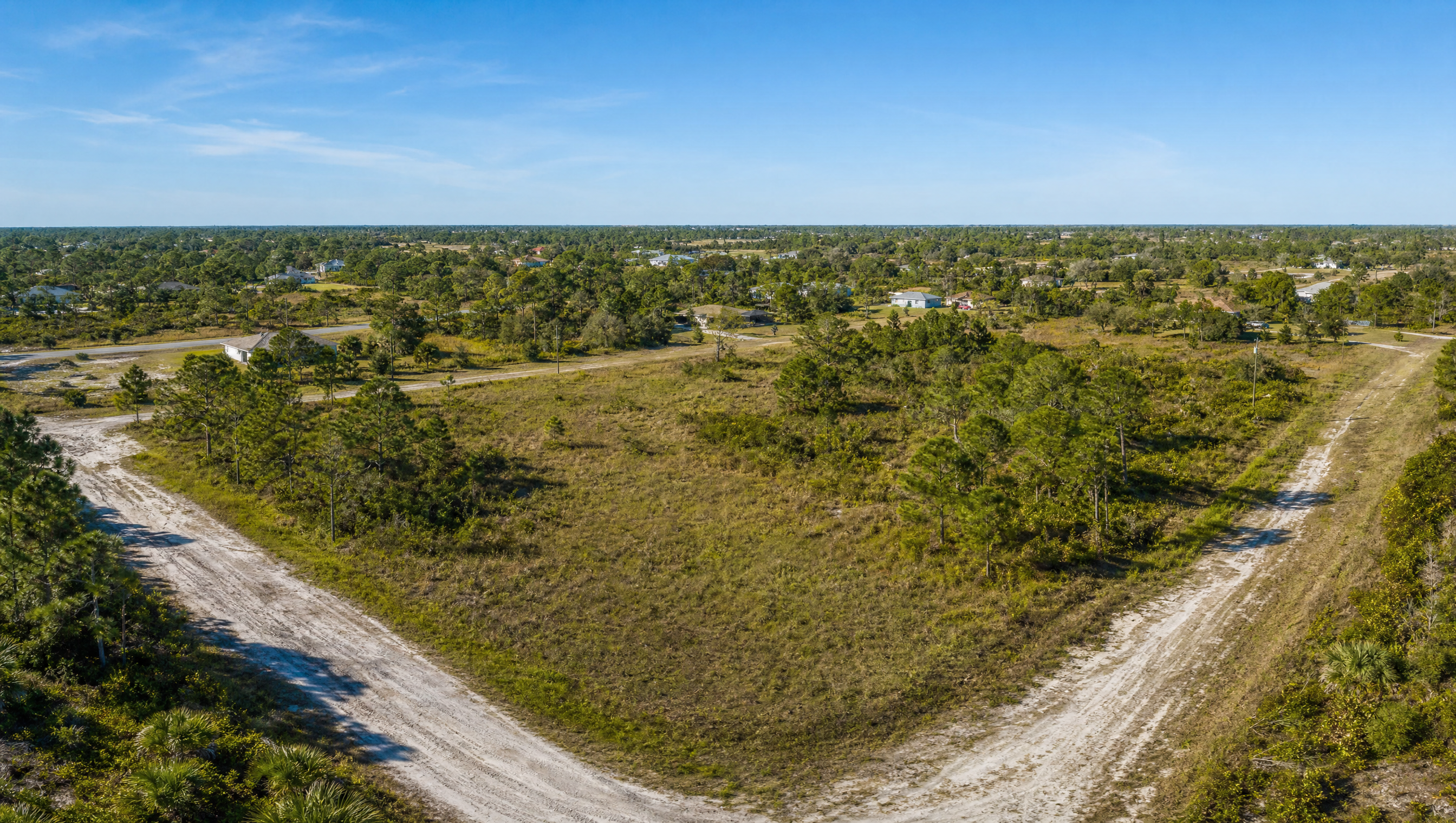
Walk into any Florida tax deed auction and observe the room. Most bidders chase residential properties—they're familiar, easy to value, and fit conventional investment narratives. Raw land attracts far fewer bidders, which means less competition and lower acquisition costs.
We've seen vacant land parcels sell at 40-60% below comparable market prices simply because fewer bidders understood their value. While house flippers were overpaying for fixer-uppers, savvy land investors were quietly accumulating assets at fractions of their true worth.
No Structural Problems or Demolition Costs
Distressed buildings acquired through tax deed sales often come with hidden nightmares: foundation issues, mold, asbestos, or fire damage. These problems can consume your entire investment budget before you earn a single dollar of return.
Vacant land has no roof to leak, no pipes to burst, and no walls to crumble. The "worst case" scenarios—clearing brush or removing illegal dumping—cost hundreds or low thousands of dollars, not tens of thousands. For beginners with limited capital, this predictability is essential.
Minimal Holding Costs
Property taxes on vacant land are typically a fraction of developed properties. In rural Florida counties, annual taxes on a 5-acre parcel might be $100-300. Compare that to a house with the same market value, where taxes could be $2,000-4,000 annually, plus insurance, maintenance, and utility costs.
This cost efficiency means you can hold land through market cycles without bleeding cash. If you need to wait two years for optimal selling conditions, you can afford to wait. This patience is often the difference between profitable and unprofitable real estate investing.
Multiple Exit Strategies
Buildings offer limited options: rent them or sell them. Land provides flexibility that beginners need as they learn market dynamics:
- Wholesale to developers: Sell to builders at a markup without ever breaking ground.
- Subdivide and retail: Split larger parcels into smaller lots and sell individually to homeowners.
- Build-to-rent development: Construct rental properties on your land for ongoing income.
- Land banking: Hold for appreciation as Florida's population continues growing.
- Lease for income: Agricultural leases, hunting leases, or billboard leases generate cash flow.
If one strategy doesn't work, pivot to another. This adaptability is priceless for new investors still finding their footing.
The Complete Due Diligence Checklist for First-Time Buyers
Success in tax deed investing requires thorough research before you bid. Here's your step-by-step due diligence process:
Step 1: Preliminary Title Search (Critical)
Never bid on a property without understanding its title history. Order a preliminary title report from a title company or use online services like TitlePro247 or DataTree. You need to identify:
- Surviving liens: While tax deeds extinguish property tax liens, other liens may survive. IRS liens, HOA assessments, municipal utility debts, and code enforcement fines can remain attached to the property. Know what you're inheriting.
- Easements and access rights: Can you legally reach the property? Is there a deeded right-of-way, or is access disputed? Land without legal access is essentially worthless.
- Boundary disputes: Are there recorded conflicts with neighboring properties? Unresolved boundary issues can lead to expensive legal battles.
- Chain of ownership: Are there gaps or irregularities in the property's ownership history? Clouded titles require quiet title actions to resolve.
Budget $150-300 per property for preliminary title research. This investment prevents catastrophic mistakes that could cost thousands to fix.
Step 2: Zoning Analysis (Your Profitability Blueprint)
Zoning determines what you can do with the land—and therefore what it's worth. Contact the county planning department or use their online GIS system to verify:
- Current zoning classification: Residential (single-family, multifamily), commercial, agricultural, industrial, or mixed-use? Each classification has different value implications.
- Future land use designations: Check the county's comprehensive plan. Is the area designated for future development, conservation, or preservation? Future development designations indicate appreciation potential.
- Setback requirements and lot coverage: How much of the parcel can be built upon? Minimum setbacks from property lines may limit buildable area.
- Environmental restrictions: Is the land in a flood zone? Are there wetlands? Endangered species habitats? These restrictions can severely limit development options.
- Special districts: Is the property in a Community Development District (CDD), Special Assessment District, or other taxing district that imposes additional fees?
Pro tip: Look for rezoning opportunities. Land currently zoned agricultural but near growing urban areas may be candidates for future rezoning to residential or commercial—a potential value multiplier.
Step 3: Physical Site Inspection (Never Skip This)
Online research is essential, but boots on the ground reveal what databases cannot. Visit the property in person or hire a local inspector to assess:
- Access and ingress/egress: Can you physically reach the property? Is the road paved or dirt? Who maintains it? Seasonal roads may be impassable during Florida's wet season.
- Topography and drainage: Is the land flat, sloped, or wet? Poor drainage can make construction expensive or impossible. Look for signs of standing water or erosion.
- Utility availability: Are power lines nearby? Is water/sewer available, or will you need wells and septic? Contact utility companies to confirm service availability and connection costs.
- Adjacent land uses: What's happening on neighboring properties? A beautiful 5-acre lot next to a pig farm or industrial facility has limited value.
- Signs of adverse possession: Are neighbors using the land? Fences in the wrong place? Vehicles stored on the property? These issues require legal resolution.
- Environmental hazards: Look for illegal dumping, abandoned vehicles, or industrial contamination. Environmental cleanup can be catastrophically expensive.
Document everything. Take photos, record GPS coordinates, and note nearby landmarks. This documentation protects you if disputes arise later.
Step 4: Market Value Analysis
Determine what the land is actually worth—not the auction starting bid, not the tax assessor's value, but true market value. Research:
- Comparable sales: What have similar parcels sold for in the past 6-12 months? Use Zillow, Realtor.com, or the county property appraiser's website to find comparables.
- Active listings: What are similar parcels currently listed for? How long have they been on the market?
- Price per acre trends: Track how land values have changed in the area over the past 3-5 years. Appreciating markets offer better investment potential.
Set your maximum bid at 50-70% of market value, accounting for any liens, cleanup costs, or complications you discovered. This margin protects your profits and provides cushion for unexpected issues.
Navigating the Florida Tax Deed Auction Process
Each Florida county conducts tax deed auctions differently. Understanding the process prevents costly mistakes:
Finding Auctions
Florida counties publish tax deed auction lists 4-6 weeks before each sale. Access these lists through:
- County Clerk of Court websites (most common)
- County Tax Collector offices
- Third-party services like RealAuction.com or GrantStreet.com
Many counties now conduct auctions online, allowing you to bid from anywhere. However, attending in-person auctions at least once is invaluable for understanding the process and competition.
Registration Requirements
To bid, you'll need:
- Government-issued photo ID
- Proof of funds (bank statement, cashier's check, or proof of financing)
- Registration deposit (typically $500-2,000, refundable if you don't win)
- Completed bidder registration forms
Some counties require pre-registration 1-2 weeks before the auction. Don't wait until the last minute.
Auction Mechanics
Florida tax deed auctions typically use one of two formats:
1. Bid Down Interest (rare for deeds): Bidders compete by offering lower interest rates on certificates. More common in lien states.
2. Premium Bidding (most common): Bidders compete by offering amounts above the minimum bid (outstanding taxes plus fees). The highest bidder wins and pays their bid amount. In Florida, any amount bid above the minimum is called "excess funds" and may be partially refundable if the property owner redeems—but don't count on this.
Payment requirements: Winning bidders must typically pay in full within 24 hours (cashier's check or wire transfer). Some counties allow partial payments with financing plans, but cash offers are strongest.
Post-Auction Steps
After winning:
- Pay immediately. Failure to pay forfeits your deposit and may ban you from future auctions.
- Receive your tax deed. The county will issue a deed, typically within 2-4 weeks.
- Record the deed. File with the county recorder to establish public record of your ownership.
- Secure the property. Post no-trespassing signs, change locks if there's a structure, and consider installing inexpensive security measures.
- Consider title insurance. While expensive for tax deeds, title insurance protects against undiscovered claims. Alternatively, consider a quiet title action to eliminate all competing claims—a more expensive but permanent solution.
The Interstate Corridor Strategy: Where to Buy in Florida
Location determines land value more than any other factor. Florida's interstate corridors offer the strongest fundamentals for appreciation:
I-4 Corridor: Tampa to Orlando
Florida's most dynamic growth region connects two major metro areas with over 8 million residents. Focus on:
- Polk County: Lakeland and Winter Haven offer affordable land with strong industrial growth. Amazon, Publix, and other major employers are expanding operations here.
- Osceola County: Kissimmee and St. Cloud benefit from Orlando's tourism and population growth while offering lower land prices.
- Highland County: Sebring and Avon Park remain undervalued but are seeing increased development pressure as coastal prices rise.
I-75 Corridor: Naples to Tampa
Southwest Florida's growth continues unabated. Tax deed opportunities exist in:
- Charlotte County: Punta Gorda and Port Charlotte offer waterfront and inland parcels at reasonable prices.
- DeSoto County: Arcadia provides rural land with agricultural potential and future development upside.
- Hardee County: Wauchula and Bowling Green remain overlooked but offer strong appreciation as Tampa's growth expands northward.
I-95 Corridor: Jacksonville to Miami
Florida's eastern spine offers diverse opportunities:
- Flagler County: Palm Coast and Bunnell provide affordable land between Jacksonville and Orlando.
- St. Johns County: While expensive, tax deed sales occasionally offer discounts on premium parcels.
- Indian River County: Vero Beach and Sebastian balance affordability with quality of life amenities.
Build-to-Rent: The Exit Strategy Every Beginner Should Consider
While flipping land offers quick returns, build-to-rent (BTR) development on tax deed land can generate generational wealth. Here's why this strategy deserves consideration:
Florida's Affordable Housing Crisis
Florida faces a shortage of approximately 400,000 housing units. Median home prices in growth markets have risen 40-60% since 2020, pricing out essential workers and young families. Build-to-rent communities fill this gap, offering single-family rental homes with the amenities of apartment living.
Why BTR Works on Tax Deed Land
- Lower land costs: Tax deed acquisition costs reduce overall project expenses, improving returns.
- No demolition: Starting fresh on raw land eliminates renovation surprises and accelerates construction timelines.
- Customization: Design communities specifically for rental demand rather than adapting existing structures.
- Institutional exit: REITs and private equity firms are acquiring BTR portfolios at premium valuations, providing clear exit paths.
Zoning Requirements for BTR
When evaluating land for build-to-rent potential, prioritize:
- Multifamily or mixed-use zoning: Single-family zoning limits rental density and returns.
- Minimum 5-10 acres: Economies of scale require sufficient land for multiple units plus amenities.
- Proximity to employment: Within 30 minutes of major employers or in areas with strong job growth.
- Utility capacity: Water, sewer, and electric infrastructure capable of supporting multiple units.
For beginners, partnering with experienced BTR developers on your land can provide education and shared profits without requiring construction expertise.
Common Mistakes First-Time Buyers Make (And How to Avoid Them)
Learning from others' mistakes saves money and frustration:
Mistake #1: Skipping Title Research
The mistake: Bidding based on auction list data without verifying title status.
The consequence: Discovering $50,000 in surviving IRS liens after you've paid $30,000 for the property.
The solution: Always order preliminary title reports. Budget for this expense on every property you seriously consider.
Mistake #2: Assuming Access Exists
The mistake: Buying landlocked property or assuming roads are public.
The consequence: Owning land you cannot legally reach without negotiating expensive easements with neighbors.
The solution: Verify legal access through deeds or recorded easements. Drive to the property and confirm you can reach it.
Mistake #3: Emotional Bidding
The mistake: Exceeding your maximum bid in competitive auction environments.
The consequence: Overpaying to the point where profitability becomes impossible.
The solution: Set hard limits before the auction and stick to them. Bring a bidding partner who keeps you accountable.
Mistake #4: Ignoring Environmental Restrictions
The mistake: Buying property without checking flood zones or wetlands.
The consequence: Discovering 80% of your "investment" is protected wetland that cannot be developed.
The solution: Check FEMA flood maps and county environmental overlays before bidding. Factor wetland restrictions into your valuation.
Mistake #5: Underestimating Total Costs
The mistake: Only budgeting for the winning bid, ignoring additional expenses.
The consequence: Running out of funds before you can monetize the property.
The solution: Budget for taxes, title clearance, cleanup, holding costs, and selling expenses. Your total investment often exceeds the winning bid by 15-25%.
Florida Land Market Outlook for 2026
Understanding market trends helps you make informed investment decisions:
Continued Population Explosion
Florida added over 365,000 residents in 2024 and shows no signs of slowing. By 2030, the state will add approximately 4.5 million new residents. This population growth creates sustained demand for housing—and therefore for land.
Corporate Relocation Acceleration
Major companies continue relocating to Florida, bringing high-paying jobs and increasing housing demand. Goldman Sachs, Citadel, and dozens of other firms have established major presences. Each corporate relocation triggers land value appreciation within 20-30 miles.
Interest Rate Stabilization
As interest rates stabilize through 2026, land acquisition financing becomes more predictable. While cash purchases remain strongest at auction, improved financing options will increase competition—but also enable more sophisticated acquisition strategies.
Infrastructure Investment
Florida's $15 billion transportation improvement plan will expand interstate capacity and improve connectivity between growth markets. Infrastructure investments historically trigger 10-20% land value appreciation in affected areas.
Your Action Plan: Getting Started This Month
Ready to take action? Here's your 30-day roadmap:
Week 1: Education and Setup
- Research 2-3 Florida counties where you'd consider investing
- Set up accounts with auction platforms (RealAuction, GrantStreet)
- Connect with a title company or subscribe to title research services
- Join Florida real estate investor meetups or online forums
Week 2: Market Analysis
- Download upcoming auction lists from your target counties
- Analyze 10-15 land parcels using the due diligence checklist
- Drive or virtually tour properties that interest you
- Research comparable sales to establish market values
Week 3: Preparation
- Secure financing or liquid funds for auction participation
- Register as a bidder in your target counties
- Set maximum bids for 3-5 properties using the 50-70% rule
- Attend an auction as an observer (if possible)
Week 4: Participation
- Bid on properties within your parameters
- If you win, execute post-auction steps immediately
- If you don't win, analyze what happened and adjust strategy
- Start researching next month's auction opportunities
Frequently Asked Questions
How do Florida tax deed auctions work for first-time investors?
Florida counties publish auction lists 4–6 weeks before each sale. You register as a bidder (requiring photo ID, proof of funds, and a refundable deposit of $500–$2,000), research properties using title reports and zoning data, then bid. Winners must pay in full within 24 hours by cashier's check or wire transfer and receive a tax deed within 2–4 weeks. Many counties now hold online auctions, allowing participation from anywhere in the world.
What due diligence must I do before bidding on tax deed land in Florida?
Four steps are non-negotiable: (1) order a preliminary title report ($150–$300) to identify surviving liens like IRS claims or HOA assessments, (2) verify current zoning and check for wetlands or flood zones that restrict development, (3) physically inspect or hire a local inspector to confirm legal road access and absence of environmental hazards, and (4) research comparable sales to set a maximum bid at 50–70% of true market value — never exceed that limit at auction.
Why is vacant land better than houses for beginner tax deed investors in Florida?
Houses at tax deed sales carry hidden structural risks — mold, foundation damage, asbestos — that can consume your entire budget before you earn a dollar. Vacant land has none of these. Worst-case cleanup costs hundreds, not tens of thousands. Annual property taxes on a 5-acre rural parcel run $100–$300, not $2,000–$4,000 like a house. And land attracts fewer auction bidders, keeping acquisition prices 40–60% below comparable market values in many Florida counties.
Which Florida counties are best for tax deed land investing in 2026?
The strongest fundamentals are in the interstate corridors: Polk and Osceola counties along I-4 (Tampa–Orlando) for build-to-rent potential; Flagler and St. Johns along I-95 for coastal growth spillover; Charlotte and DeSoto along I-75 for affordable southwest Florida land. Secondary markets — Lakeland, Ocala, Sebring — offer lower competition and strong appreciation as coastal prices push buyers inland. Always pair county selection with current auction inventory analysis.
What is a quiet title action and do I need one after buying at a tax deed auction in Florida?
A quiet title action is a legal process that eliminates all competing ownership claims on a property, giving you a clean, insurable title. While not mandatory after a tax deed sale in Florida, it's often recommended — especially if you plan to finance or sell the property, since lenders and buyers typically require title insurance. Without a quiet title action, some title companies won't issue insurance on tax deed properties. The process costs $1,500–$3,500 and takes 3–6 months.
Conclusion: Your Path to Land Investment Success
Florida tax deed auctions offer first-time investors an unprecedented opportunity to acquire real estate at below-market prices with minimal competition. By focusing on vacant land rather than buildings, you eliminate structural risks, reduce holding costs, and gain multiple exit strategies.
Success requires discipline: thorough due diligence, strict bidding limits, and patience through the holding period. The investors who build wealth through tax deed investing aren't the ones who take the most risks—they're the ones who do the most homework.
Florida's population growth, business-friendly environment, and interstate corridor development create ideal conditions for land appreciation. The question isn't whether land values will rise—it's whether you'll own land when they do.
Your journey starts with a single auction. Research a county, study the listings, and place your first bid. The land you acquire through tax deed investing could become the foundation of your real estate portfolio—and your path to financial independence.
Schedule Your Land Investment Consultation
Contact LOTSS$ today to learn about upcoming tax deed auction opportunities and receive personalized guidance on your first land investment. Our team specializes in helping first-time investors navigate Florida's tax deed market with confidence.
About Al de Palma
Fund Manager at Grow Fund US, specializing in modular housing and community development investments. Partnering with accredited investors to build wealth and create impact through strategic US real estate opportunities.
Brazil's Modular Housing Revolution: Why Smart Investors Are Betting on Land Now
Tax Deed vs Tax Lien Investing: Why Vacant Land Offers Better Margins with Less Risk
Related Articles

Land Holding Costs: Why 10 Lots Cost Less Than 1 Rental
Mississippi taxes a $10,000 lot at roughly $150 a year. Here is the math on what carrying cost actually does to portfolio scale — and why it decides who gets forced to sell.
Passive Income Real Estate Showdown: Vacant Land vs. Traditional Investments
Compare vacant land to stocks, bonds, and rental properties. Discover why passive income real estate through U.S. vacant lots may fit your portfolio better.
How to Read a Florida Tax Deed Auction List Like an Investor
Learn how to decode a Florida tax deed auction list, spot hidden risks, and identify lots worth bidding on before the sale starts.