Why Modular Construction Is the Smartest Real Estate Investment in 2026
 Natalia Ribeiro
Key Takeaways
- The global modular construction market is valued at $292 billion in 2026 and is projected to grow at 6.9% annually through 2030 — driven by housing shortages, rising labor costs, and institutional capital that is actively shifting from traditional to modular development.
- Modular construction's five core investor advantages are: 30%–50% faster build times, 10%–20% cost savings, 30% less material waste, weather-proof factory production, and scalable deployment across multiple sites simultaneously.
- International investors can access the U.S. modular housing market through three strategies: direct lot investment in planned modular communities, equity co-investment in modular development funds, or land banking adjacent to announced modular projects.
- The U.S. government — through HUD, Fannie Mae, and state housing authorities — increasingly supports modular affordable housing with financing programs, zoning reforms, and direct subsidies, reducing project risk while improving return profiles.
- Grow Fund US combines the modular construction approach with the Bayside Park land opportunity in Hancock County, Mississippi — allowing international accredited investors to participate in a $292 billion market through a carefully structured, EB-5-eligible investment vehicle.
A $292 Billion Market You Cannot Ignore
If you have been watching the U.S. real estate market, you have probably noticed something shifting beneath the surface. Traditional stick-built construction is losing ground — fast. In its place, a smarter, faster, and more profitable way to build is taking over: modular construction.
The numbers speak for themselves. The global prefabricated construction market was valued at $292 billion in 2026 and is projected to reach $413 billion by 2031, growing at a compound annual rate of 7.16%. In the United States alone, the prefabricated home manufacturing industry is now worth $16 billion annually. For investors looking for the next wave in real estate, this is it.
But what exactly makes modular construction such a compelling investment thesis? And how can international investors — especially those looking to build wealth in U.S. dollars — position themselves to benefit?
What Is Modular Construction, Exactly?
Modular construction is a building method where sections of a structure — called modules — are manufactured in a controlled factory environment and then transported to the building site for final assembly. Think of it as the difference between handcrafting a car in a garage versus building it on an assembly line.
The result is remarkable. A modular home can be completed in one to two weeks of factory production, with only minor finishing work needed on-site. Compare that to the six to twelve months a conventional home takes, and you begin to see why investors are paying attention.
These are not the flimsy prefab homes of decades past. Modern modular homes meet or exceed the same building codes as traditional construction. They feature architectural-grade finishes, energy-efficient systems, and designs that are virtually indistinguishable from site-built homes.
Five Reasons Investors Are Going Modular in 2026
1. Faster Build Times Mean Faster Returns
Time is money in real estate — literally. Every month a property sits under construction is a month without rental income. Modular construction cuts build times by 30 to 50 percent compared to traditional methods. For an investor, that means your property can start generating revenue months earlier than the competition.
Consider a simple scenario: you purchase a vacant lot and plan to build a rental property. With traditional construction, you might wait eight to twelve months before your first tenant moves in. With modular, that timeline shrinks to three to five months. The difference in carrying costs alone can be worth tens of thousands of dollars.
2. Labor Shortage-Proof
The U.S. construction industry is facing a severe labor shortage. According to industry reports, there are hundreds of thousands of unfilled construction jobs across the country. This shortage drives up wages, delays projects, and increases costs for traditional builders.
Modular construction sidesteps this problem entirely. Factory workers in a controlled environment are more productive, easier to train, and more readily available than specialized on-site tradespeople. The factory setting also means no weather delays — a modular home is built rain or shine.
3. The Cost Advantage Is Real
Prefab houses cost approximately 15 percent less per square foot than traditional homes on average. That margin comes from reduced material waste, economies of scale in factory production, fewer on-site labor hours, and elimination of weather-related delays.
For international investors building portfolios in the U.S. market, a 15% cost reduction on construction translates directly to higher margins on every project — whether you are building to rent, building to sell, or developing a community.
4. Government Incentives Are Growing
Federal and state governments across the U.S. are actively encouraging modular and prefabricated construction through stimulus packages, grants, tax incentives, and zoning reforms. The affordable housing crisis has made policymakers eager to support any construction method that can deliver homes faster and cheaper.
Several states have streamlined permitting processes specifically for modular homes, and some municipalities now offer density bonuses or expedited approvals for prefab developments. For developers and investors, these incentives can significantly improve project economics.
5. Sustainability Sells
Modern buyers and renters increasingly prioritize sustainability. Modular construction naturally produces less waste — up to 90% less compared to traditional building. The factory environment allows for precise material cutting and recycling that is simply impossible on a chaotic construction site.
Many modular manufacturers also integrate energy-efficient systems as standard: high-performance insulation, solar-ready wiring, smart thermostats, and water-saving fixtures. These features command premium rents and higher resale values, making modular properties more attractive to tenants and buyers alike.
Investment Strategies for Modular Construction
So how do you actually invest in this space? There are several approaches depending on your capital, risk tolerance, and goals.
Land acquisition + modular development: Purchase vacant land in high-growth areas, then partner with a modular builder to construct rental or for-sale homes. This is the highest-margin approach and the one we specialize in at LOTSS$. The key is sourcing land at the right price — which is where our expertise comes in.
Build-to-rent portfolios: Develop clusters of modular homes specifically for the rental market. With faster construction timelines, you start collecting rent sooner and achieve stabilized cash flow faster than traditional developments.
Community development: Scale up to masterplanned communities using modular construction for the entire development. This approach benefits from standardized floor plans, bulk purchasing power, and streamlined permitting.
Value-add on existing lots: If you already own vacant land — or can acquire it at favorable prices — adding a modular structure can transform a non-income-producing asset into a cash-flowing property in a matter of months.
What International Investors Should Know
For investors outside the United States — particularly in Brazil and Latin America — modular construction in the U.S. offers a unique combination of advantages:
- Dollar-denominated returns: Your investment and income are in U.S. dollars, providing a natural hedge against currency volatility in your home country.
- Remote-friendly investment: Modular construction requires less on-site supervision than traditional building, making it ideal for international investors who cannot be present for every phase of construction.
- Lower entry points: Because construction costs are lower, the total capital required to build and hold a rental property is more accessible than with traditional methods.
- Proven regulatory framework: The U.S. has clear building codes, property rights, and legal protections for foreign investors.
At LOTSS$, we help international investors identify the right land, connect with modular builders, and manage the entire development process. Whether you are purchasing your first U.S. investment property or scaling an existing portfolio, modular construction can accelerate your returns.
Frequently Asked Questions
Is modular construction really comparable in quality to traditional homes?
Yes. Modern modular homes are built to meet or exceed the same local and federal building codes as site-built homes. Factory environments enforce stricter quality controls than on-site construction — inspections occur at every stage of production, not just at completion. Major institutional developers including Clayton Homes have adopted modular construction precisely because quality is consistent and the per-unit cost is significantly lower than traditional methods.
How does modular construction reduce costs for real estate investors?
Modular construction cuts costs through factory economies of scale, reduced material waste (up to 30% less), elimination of weather delays, and more efficient labor in a controlled setting. The result is approximately 15% lower construction costs per square foot. For international investors building rental portfolios or development projects, this margin improvement is compounded by faster build times — meaning capital is deployed and returns generated sooner.
What government incentives exist for modular affordable housing in the U.S.?
Federal programs through HUD and Fannie Mae provide financing specifically for modular housing. State housing authorities across the U.S. offer grants, tax credits, and density bonuses for affordable modular developments. Many municipalities have streamlined permitting processes for prefab construction. These incentives reduce project risk and improve return profiles — particularly for developments targeting workforce housing, which is the focus of Bayside Park in Mississippi.
Can international investors participate in U.S. modular housing markets?
Yes. International investors can access this market through three primary strategies: purchasing lots in planned modular communities like Bayside Park, participating in equity co-investment structures through development funds, or land banking adjacent to announced modular projects. Dollar-denominated returns provide a natural currency hedge, and remote-friendly management means you don't need to be on-site during construction. The U.S. legal framework protects foreign investors' property rights clearly.
What is the expected growth of the modular construction market through 2031?
The global prefabricated construction market is projected to grow from $292 billion in 2026 to $413 billion by 2031, representing a compound annual growth rate of approximately 7.16%. In the U.S. alone, the prefabricated home manufacturing industry generates $16 billion annually. This growth is driven by the persistent housing shortage, rising conventional construction labor costs, increasing lender and consumer acceptance, and policy support at both federal and state levels.
The Bottom Line
Modular construction is not a trend — it is a structural shift in how the world builds. The convergence of labor shortages, housing demand, government incentives, and technological advancement has created a once-in-a-generation opportunity for real estate investors.
The market is projected to grow by over $120 billion in the next five years. Investors who position themselves now — with the right land, the right partners, and the right strategy — stand to benefit enormously.
We believe the smartest real estate investments in 2026 start with a vacant lot and end with a modular home. If you are ready to explore this opportunity, we are ready to help you get started.
About Natalia Ribeiro
Managing Partner at LOTSS$, transforming accessible land into great investment opportunities in the USA. Real estate specialist focused on connecting Brazilian investors with high-potential US land investments.
Bayside Park: 800 Affordable Homes Transforming Hancock County
The Rise of Modular Homes in America: What Investors Need to Know
Related Articles
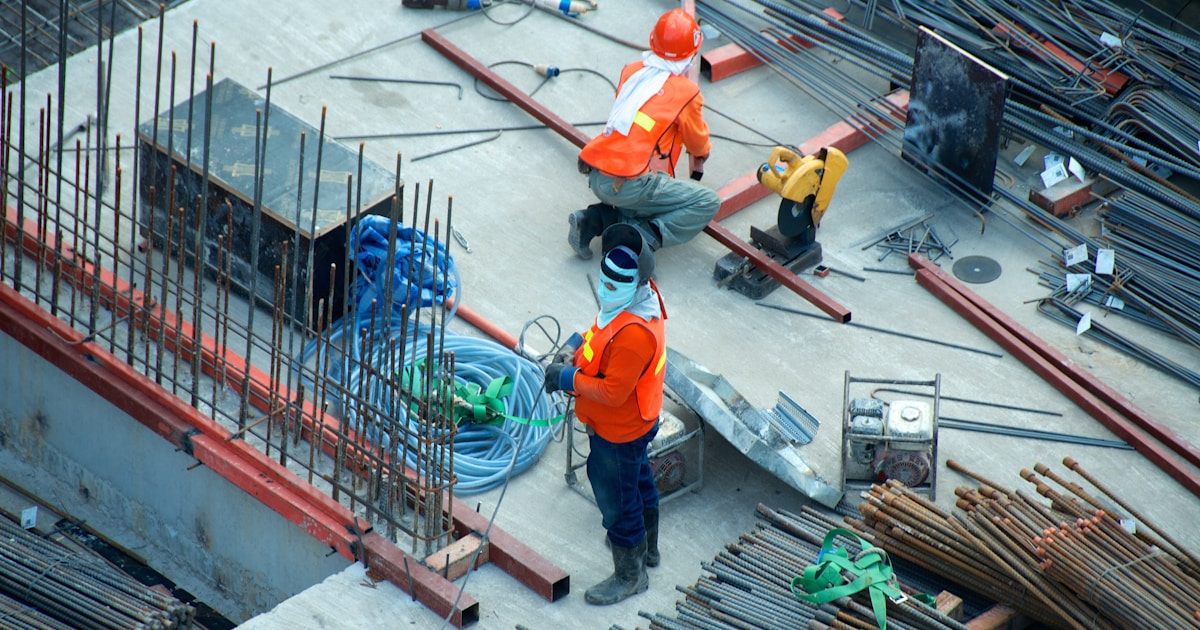
Why Modular Homes Are Built 40% Faster — And What That Means for Your ROI
Modular construction delivers homes faster, cheaper, and with less waste than traditional building. Here's why that speed advantage translates directly into better returns for land investors.

Bayside Park: 800 Affordable Homes Transforming Hancock County
Discover how the Bayside Park development is bringing 800 modular affordable homes to Hancock County, Mississippi, and why surrounding lot values are rising fast.
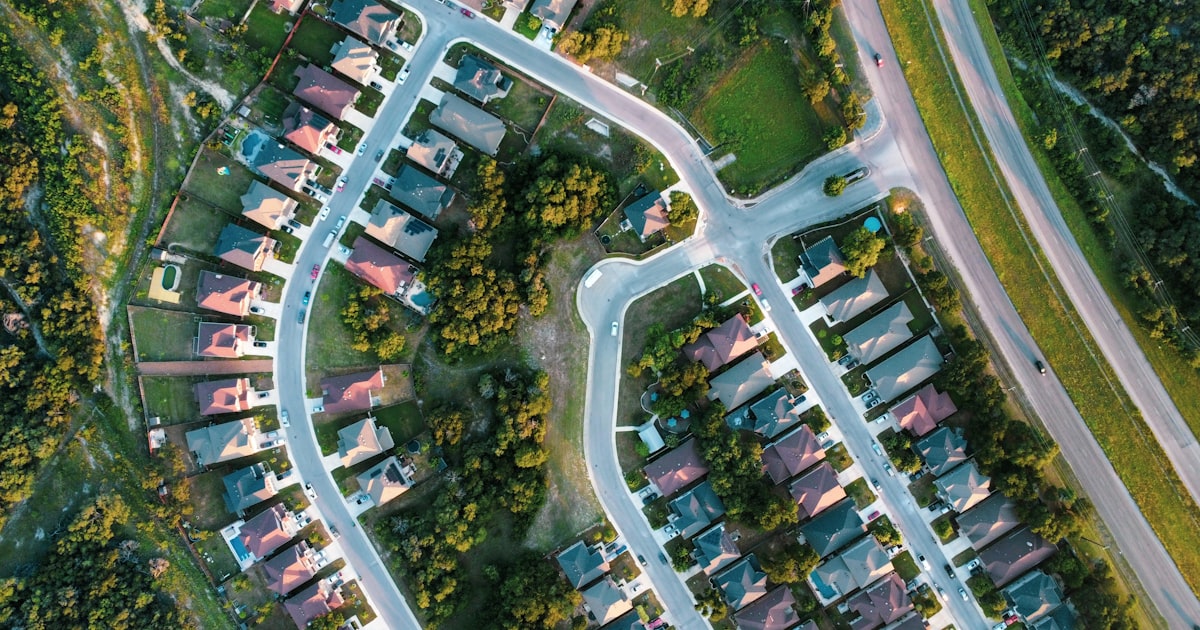
Brazil vs. USA Real Estate: The Hidden Differences That Destroy Profits
Compare real estate investment in Brazil and the USA side by side. Discover the hidden tax, legal, and currency differences that determine whether you profit or lose.