Passive Income Real Estate Showdown: Vacant Land vs. Traditional Investments
 Al de Palma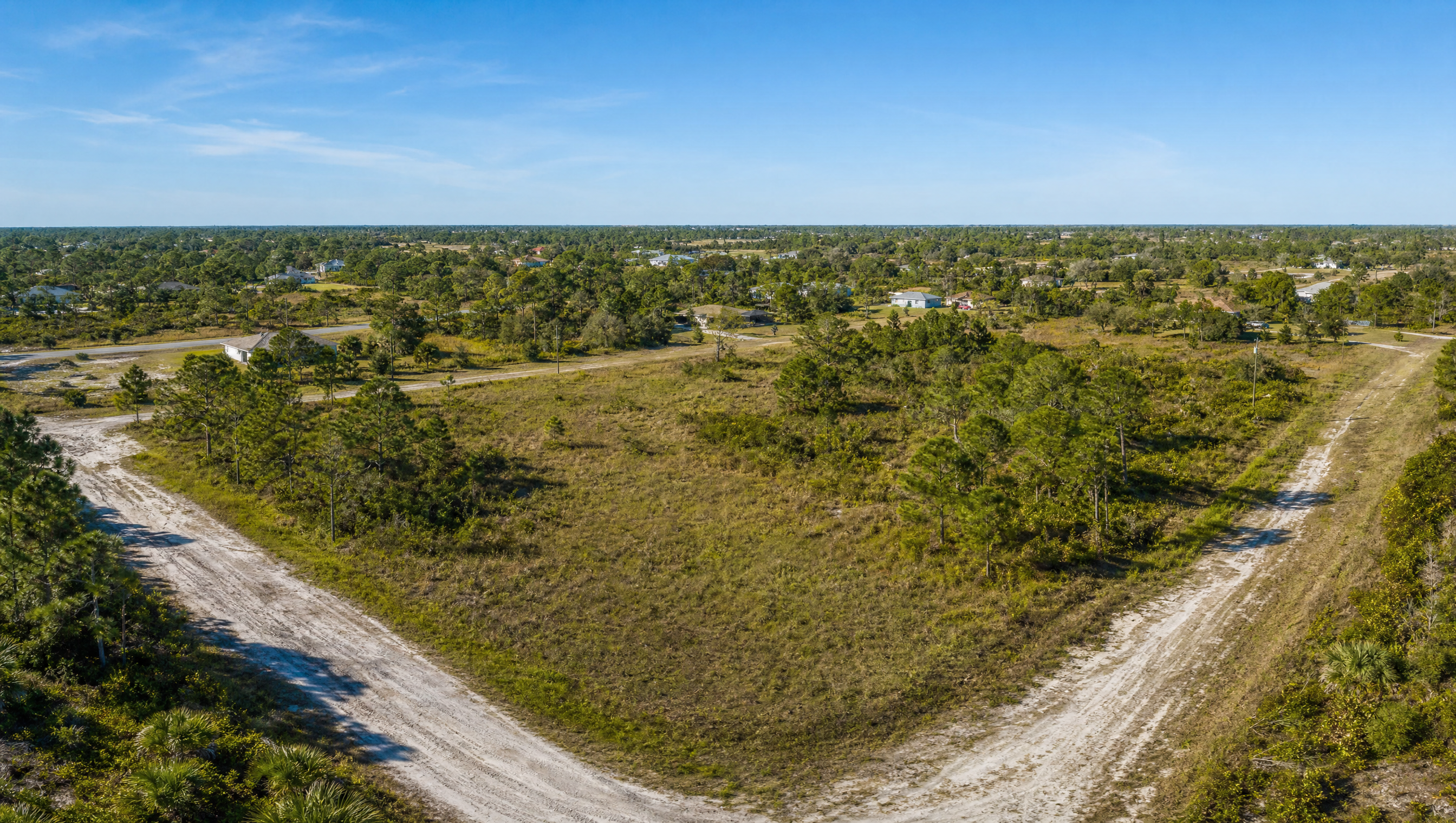
Most investors have been sold the same menu: stocks, bonds, maybe a rental property if they are feeling adventurous. But when you zoom out and ask which asset actually protects your capital while giving you a shot at meaningful growth, the answer gets more interesting. Passive income real estate comes in many forms, and one of the most overlooked is also one of the simplest: vacant land.
At Lotsss, we have bought and sold more than 3,000 U.S. properties, most of them raw land acquired through tax deed auctions. We have seen doctors, engineers, and retirees use vacant land to diversify away from volatile markets without becoming landlords. So let us put the options side by side and see how they really compare.
What Most Investors Actually Own
The traditional portfolio is familiar for a reason. It works, up to a point.
Stocks give you liquidity and historical growth. A broad index fund has averaged roughly 10 percent annually over the long run, and you can sell in seconds. Bonds add stability and pay predictable interest, though yields have been stingy for years. Rental real estate can produce monthly cash flow and appreciation, but it also comes with tenants, toilets, and turnover.
Each of these has a place. The problem is that they all share something uncomfortable: they are tightly connected to the same economic cycles. When interest rates rise, both stocks and bonds can fall together. When rents stagnate but insurance and property taxes climb, a rental property stops feeling like passive income real estate and starts feeling like a second job.
The Hidden Costs Nobody Talks About
Every investment carries a cost, but not every cost shows up on the first page of a brokerage statement.
Stocks charge management fees, trading spreads, and taxes on dividends and capital gains. Bonds can lose value when rates rise. Rental properties need roofs, plumbing, property managers, and vacancy reserves. A single unexpected repair can wipe out months of cash flow.
Vacant land, by contrast, is almost aggressively low maintenance. There are no tenants to screen, no toilets to fix, and no midnight emergency calls. Your ongoing costs are usually limited to property taxes, occasional mowing, and perhaps a simple liability policy. That is why many of our clients describe land as the closest thing they have found to truly passive income real estate.
Returns, Risk, and the Real Timeline
Here is where the comparison gets practical.
Stocks can compound quickly, but they can also drop 20 percent in a quarter. Bonds are safer but rarely exciting. Rental properties can produce strong yields, yet leverage, maintenance, and local regulations can turn a winner into a headache.
Vacant land tends to move on a different clock. It does not pay quarterly dividends, and it is not a get-rich-quick asset. What it offers is asymmetric upside: you can buy at steep discounts, especially through tax deed auctions, and sell later for a multiple of your purchase price. At Lotsss, we regularly acquire parcels for pennies on the dollar and resell them with seller financing, turning a single purchase into years of note payments.
The risk is not zero. Land can be illiquid, and a bad parcel with title issues or no access can become expensive quickly. That is why due diligence matters. But for patient capital, the risk-reward profile can be compelling.
Why Vacant Land Behaves Differently
Land is not correlated to the stock market in the same way a REIT or rental property is. It does not care about quarterly earnings calls or algorithmic trading. Its value is driven by location, zoning, utilities, and population growth.
This independence is the entire point. When your portfolio is spread across asset classes that respond to different forces, you are less vulnerable to a single headline. A downturn in tech stocks does not automatically lower the value of a buildable lot near a growing Florida corridor. A spike in interest rates may cool housing, but it can also push more buyers toward affordable land.
For international investors, U.S. vacant land adds another layer: exposure to dollar-denominated real property without the complexity of managing tenants from another country.
The Verdict: Build the Portfolio That Fits You
So which is better, traditional investments or vacant land? The honest answer is that it depends on your timeline, your liquidity needs, and how much complexity you are willing to tolerate.
If you need daily liquidity and are comfortable with market volatility, stocks and bonds remain excellent tools. If you want monthly cash flow and do not mind maintenance, rental real estate can work. But if you are looking for a low-maintenance, tangible asset with asymmetric upside and a place outside the stock market rollercoaster, vacant land deserves a serious look.
At Lotsss, we help investors find discounted U.S. land through tax deed auctions and seller financing. Whether you are comparing your first parcel or adding land to an existing portfolio, the goal is the same: build passive income real estate that works while you sleep.
About Al de Palma
Fund Manager at Grow Fund US, specializing in modular housing and community development investments.
Related Articles
How to Read a Florida Tax Deed Auction List Like an Investor
Learn how to decode a Florida tax deed auction list, spot hidden risks, and identify lots worth bidding on before the sale starts.
How to Invest in Florida Tax Deed Auctions From Anywhere (Without Visiting the Courthouse)
Learn how out-of-state and international investors can research, register, and bid in Florida tax deed auctions online without ever stepping into a courthouse.

Mississippi Tax Deed Auction Guide: Everything You Need to Know Before You Bid
A complete guide to bidding at Mississippi tax deed auctions — how they work, what to research, what pitfalls to avoid, and how to find the best opportunities in the state.